
My company is having a contest where they’re asking employees to submit what they’re doing to help create a sustainable society. I admit to being a little intimidated — one of the examples was an awesome water filtration system (my company’s specialty) to reuse run-off rain water! I don’t feel like I’ve done that much “in the cause” although it’s a cause I care about deeply. On further consideration, though, it’s not like I don’t do anything. We’ve done several medium boring things, and a bunch of small, persistent things. So here goes!
My family has made a number of small changes to bring ourselves to a more sustainable style of living. Some of them simply influence our purchasing — our cars were both selected with gas mileage in mind. Many of these changes serve a dual purpose. In cold New England, we have had insulation blown into our 19th century walls to reduce our heating bills, added insulating curtains, replaced incandescent bulbs with compact flourescents and put in a timed thermostat. We’ve switched from plastic grocery bags to reusable ones, and I’ve discovered that I much prefer the reusable ones. We keep the doors closed in rooms we’re not using.
But there are three fun, photogenic things we’ve done lately to lead to a sustainable society.
The Bat House – as you may or may not know, New England is in the throes of a bat crisis. Many of our species are being devastated by white nose syndrome. This may lead to extinctions. It’s also likely to lead to many more mosquitoes, which in addition to being annoying are now a threat to health since Eastern Equine Encyphalitis and West Nile Virus landed on our shores in the last decade. One of the big challenges for bats is habitat loss. I know there is a population of bats in my area — in part because I’ve seen them at night and in part because there are no mosquitoes in my lawn! So my family has installed a bat house to provide safe habitat for local bat populations.

2) The Worm Bin. I’ve always liked worms. Like bats, they’re extremely useful animals, recycling waste into fertile soil and creating space for plants to grow. About seven years ago after reading Worms Eat My Garbage by Mary Appelhof, we bought an indoor worm composting kit and populated it with some worms. Since then, it’s been a thriving ecosystem living on our food scraps. As long as you don’t add milk or meat products, there is virtually no smell. The worms are more active and hungry in summer, when there are also more produce by-products, and nearly dormant in winter. Once or twice a year, we harvest the extremely rich worm soil to add to our gardens. “Worm tea” — the liquid byproduct — is a top-notch fertilizer when diluted with water. Of course, this also means less of our garbage ends up in landfills, especially since we use egg crates and packaging as bedding.
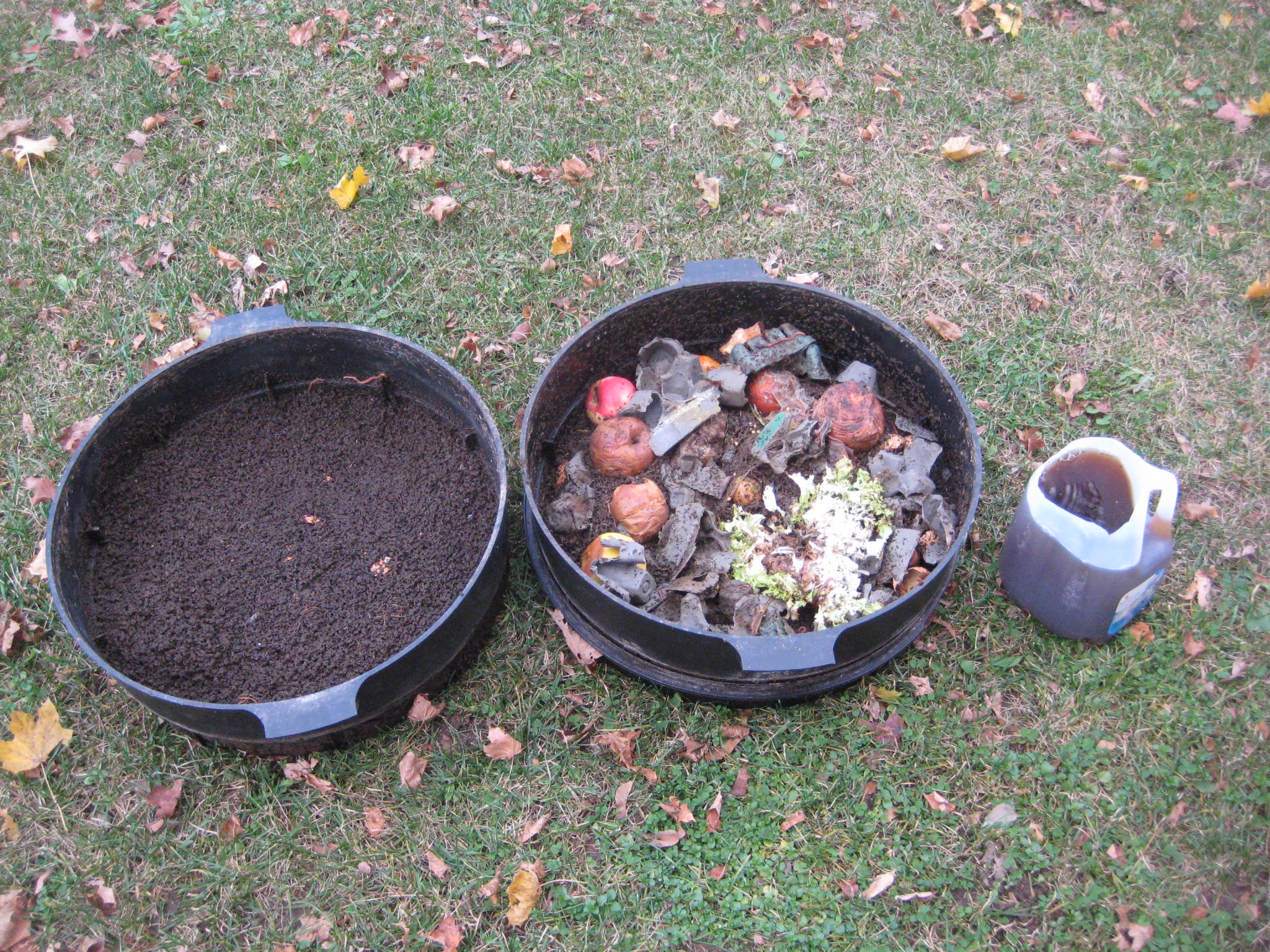
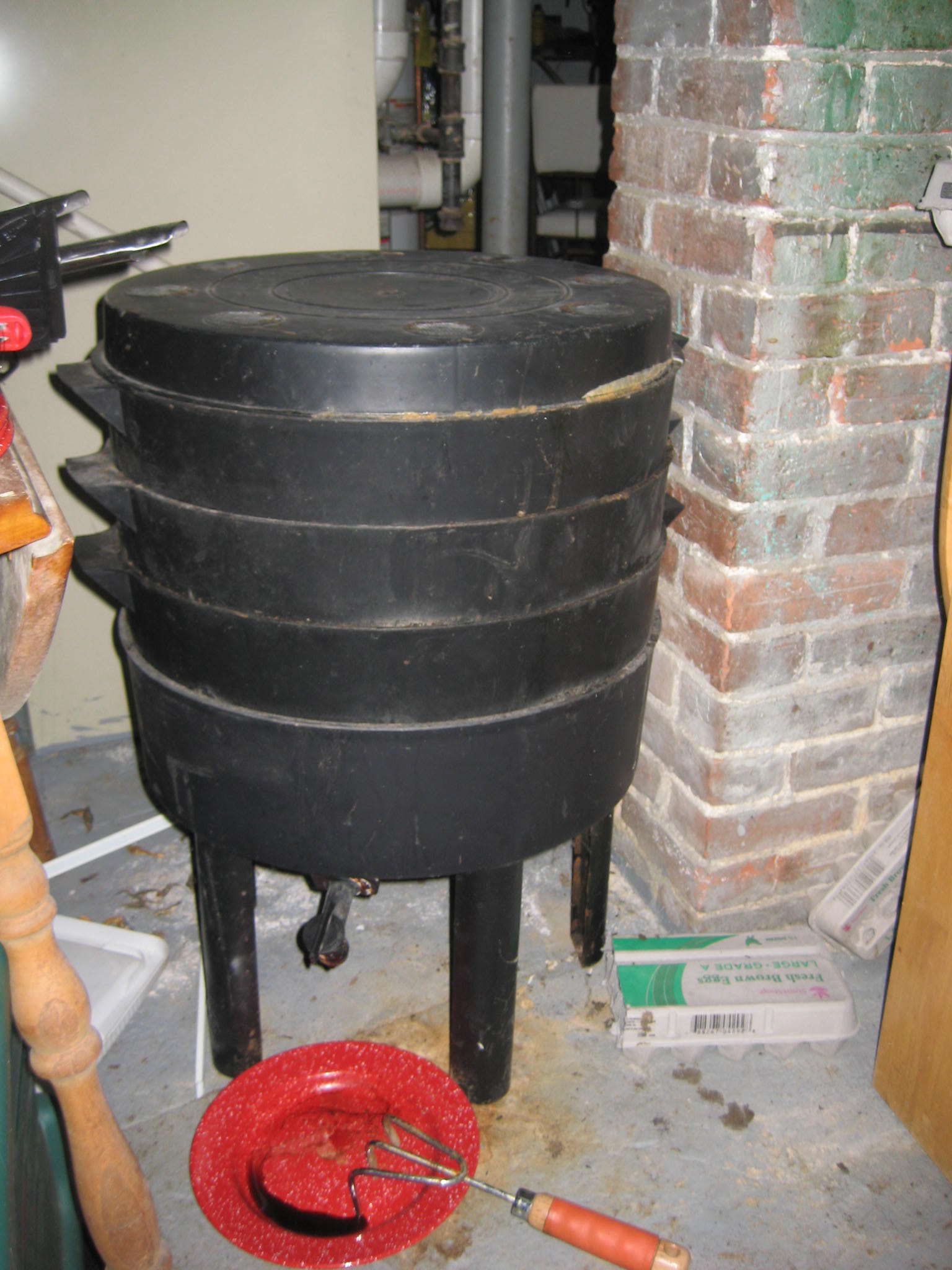
3) Community Supported Agriculture This year, I worked with a partner to establish a farm-share distribution site at my church. This permits a local farmer (in our case Farmer Dave) to sell “shares” of his produce to families — cutting out middlemen, packaging, preservatives and transport. Over 70 families at this new distribution point picked up weekly share of fruits and vegetables, from standard lettuce, corn and tomatoes to unusual and heritage plants like purslane, garlic scapes and kohlrabi. This influx of vegetables shifted our diet towards veggies (which consume many fewer resources to produce than meat or dairy products), helped create pockets of agricultural biodiversity, reduced our carbon footprint, and vastly increased the “vegetable repertoire” of my family. I canned 8 batches of jams and preserves to enjoy all winter long from the bounty.
These are all small things. But added together, I hope they reduce the burden our family places on our world’s resources. All of these things also carry other benefits: lower heating costs, fewer mosquitoes, free fertilizer and better health (and taste!).
So what about you? What small or big things do you do? What’s slipped into habit? What do you aspire to?
 My Truant Pen